
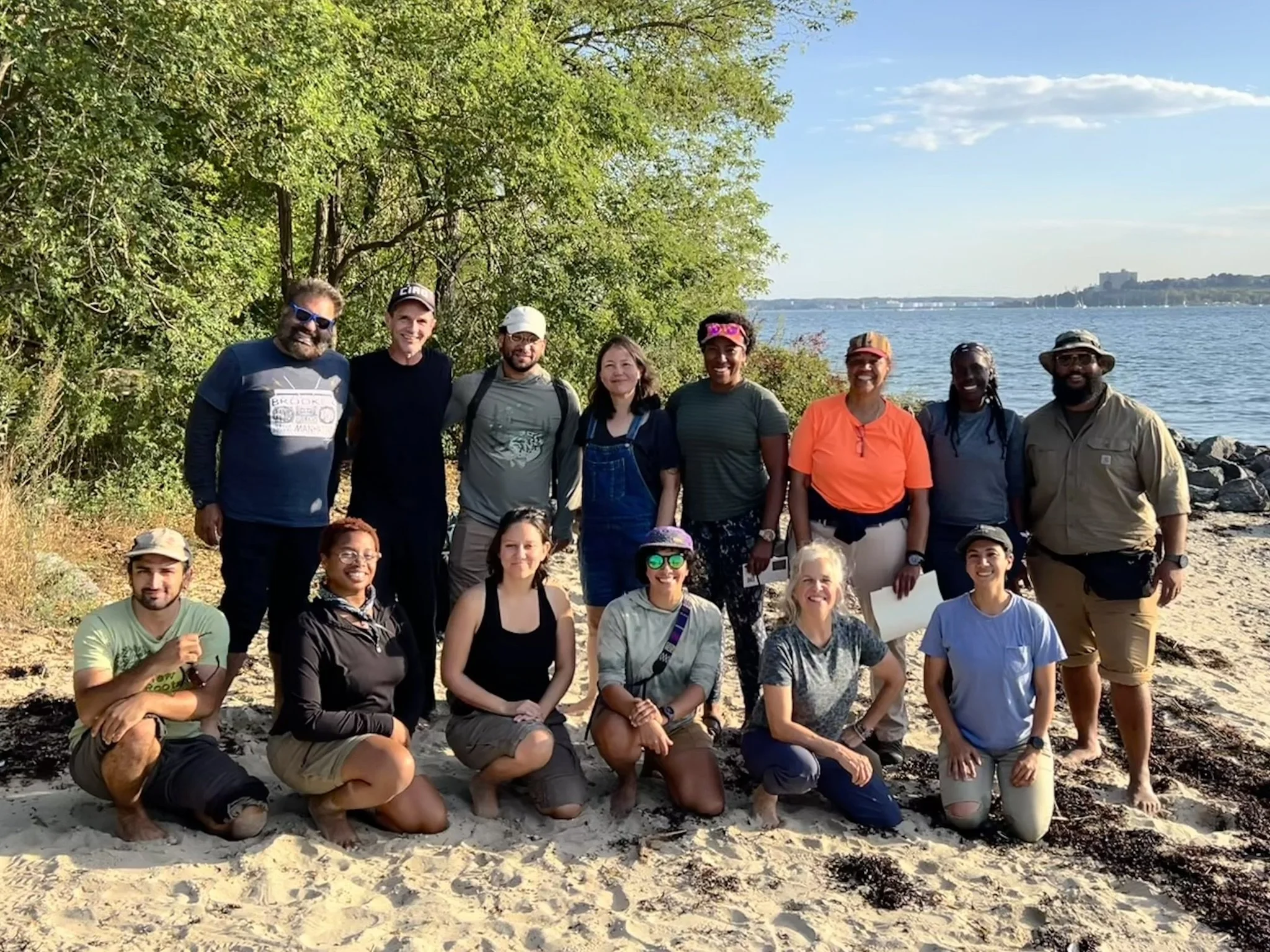
BIPOC Naturalists restores belonging in nature by building learning and leadership pathways while advancing BIPOC representation across outdoor and environmental spaces.
Mission
BIPOC Naturalists envisions an outdoor culture where equity is the norm, leadership is shared, and Black, Indigenous, and People of Color feel at home, affirmed, and integral to every natural landscape.
Vision
Community: We are shaped by the voices, creativity, and lived experiences of our community, and accountable to the people who collaborate to develop our programs.
Values
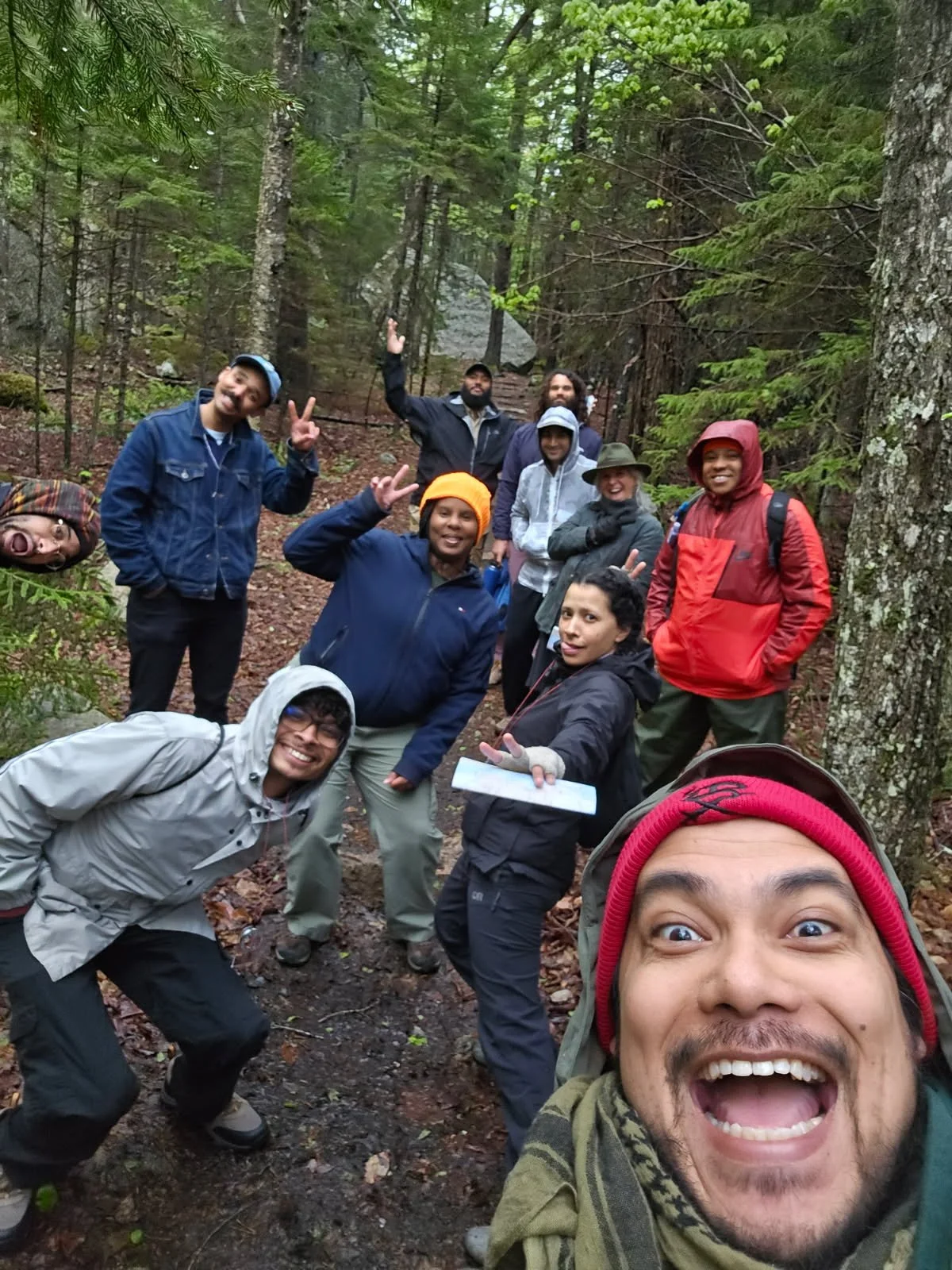
Belonging: We create safe, nature-centered learning spaces where people feel welcomed, every voice is valued, and connections to passion and place are nurtured.
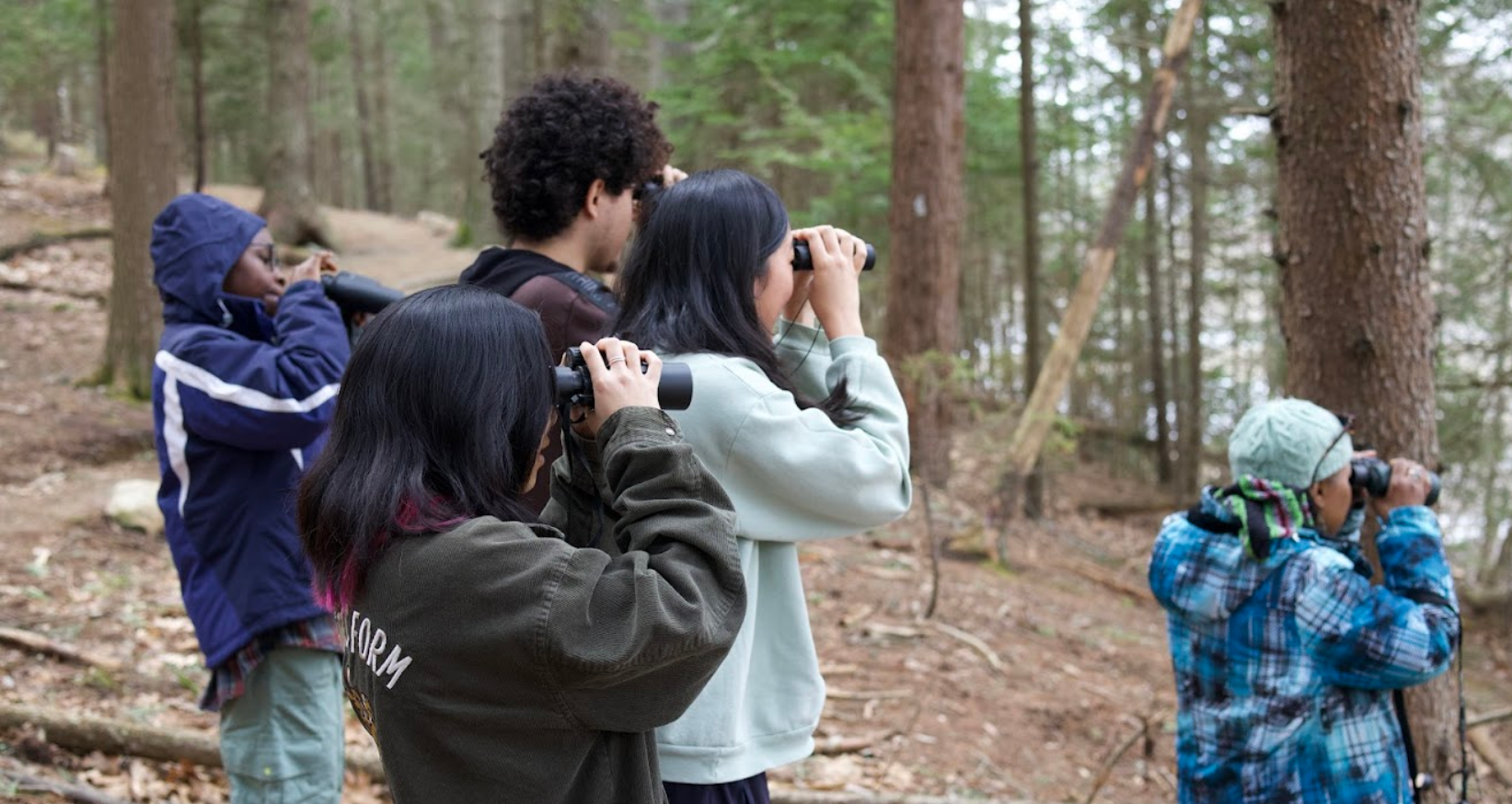
Equitable Access: We center accessibility in program design and implementation, following that North Star to remove barriers to participation.
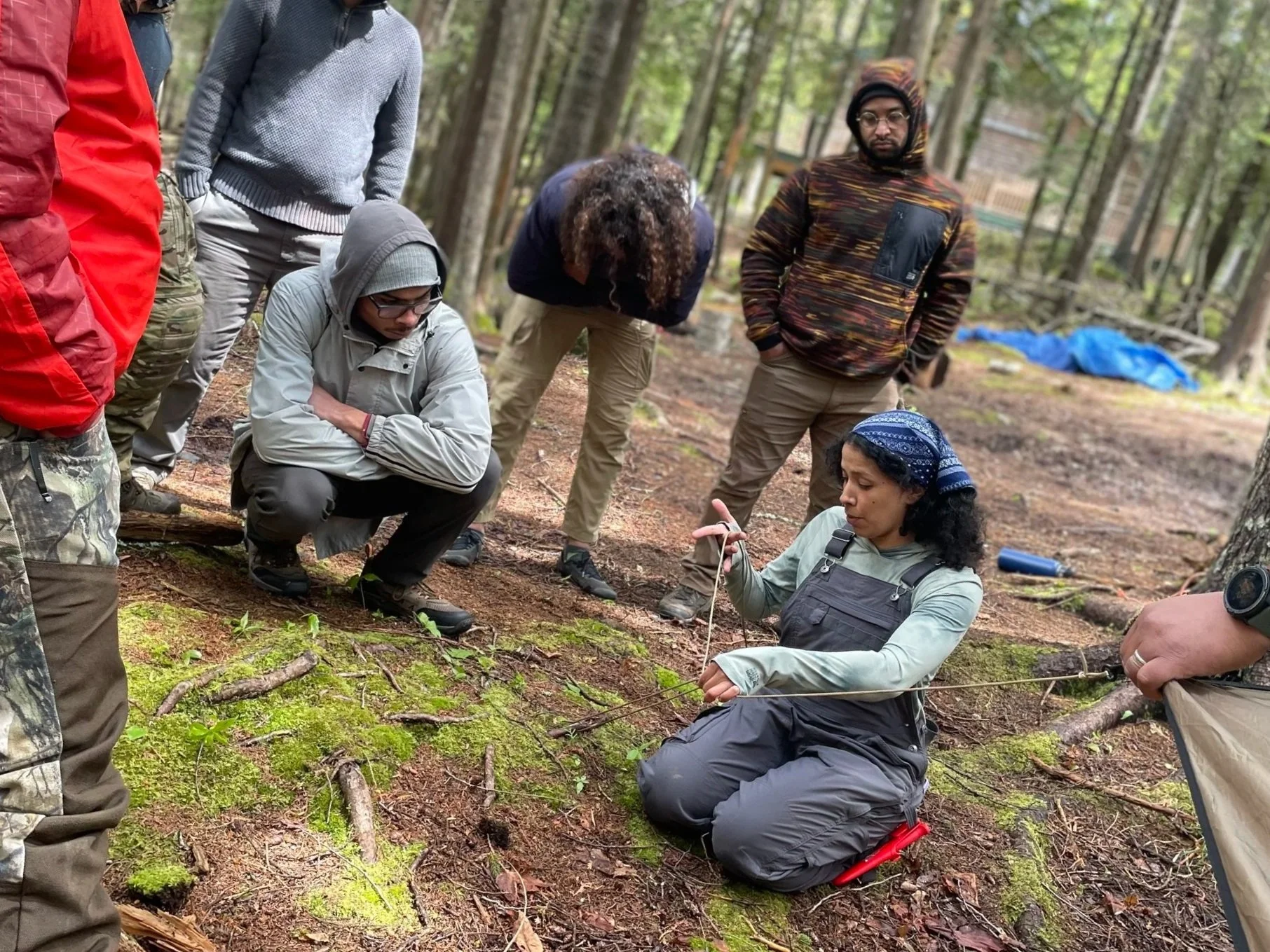
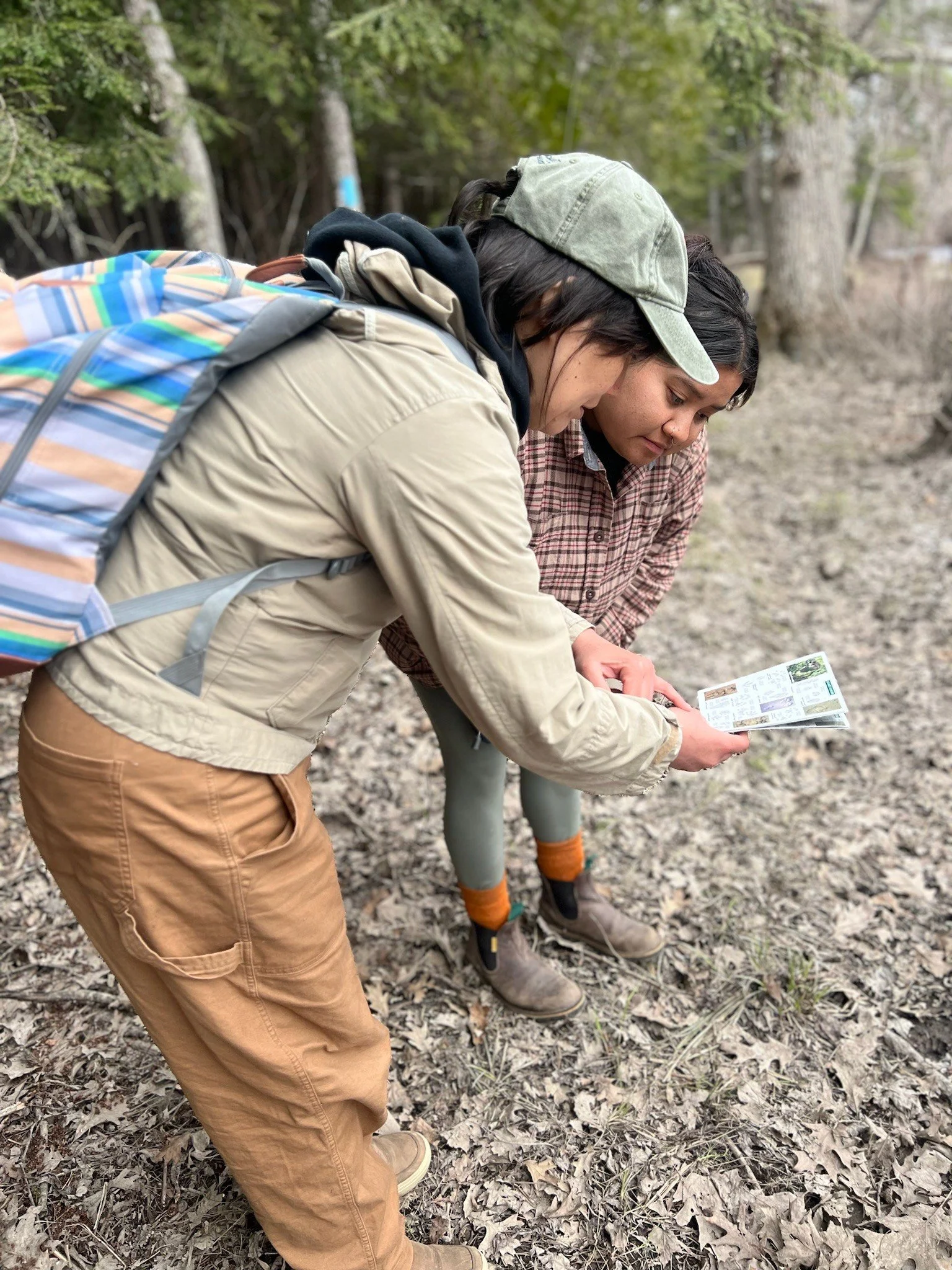
Kinship: We relate to nature and the other-than-human world as kin, deepening our connection to land, water, and all living beings with whom our well-being is intertwined.
Curiosity: We seek a deeper understanding of natural systems and our human existence through study and shared outdoor experiences.
Meet the Team
-
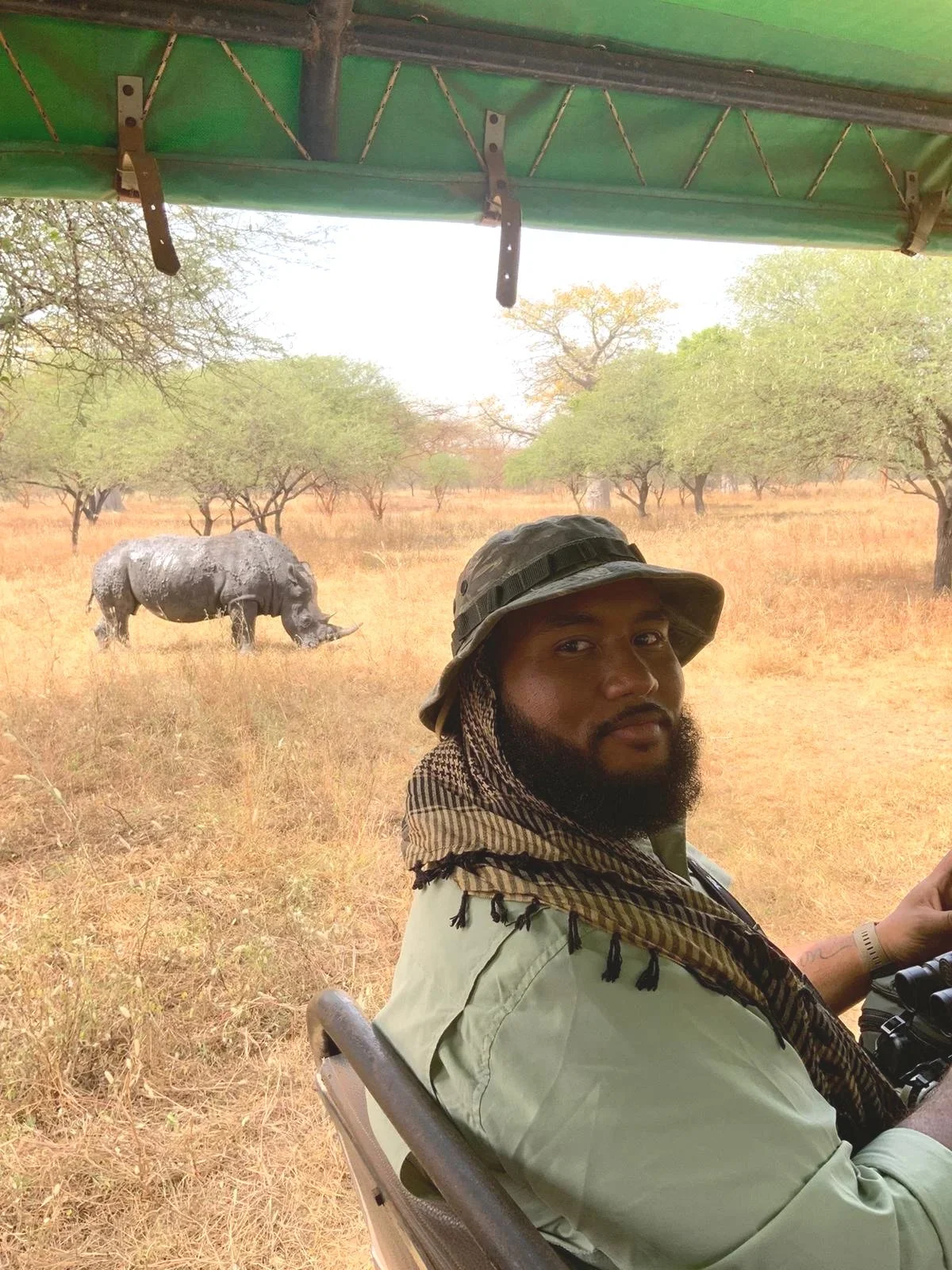
Kareem A. Dieng
CO-FOUNDER
Kareem (he/him) is Director of Outdoor Education at Camp Beech Cliff on Mount Desert Island—Wabanaki Homelands—where he lives year-round in Bass Harbor with his wife, Taylor. He has 15 years of professional experience in outdoor leadership and education, spanning youth programs, school partnerships, corporate teambuilding, guiding in Acadia National Park, wilderness expeditions, challenge course facilitation, sea kayaking, and advancing ecological literacy through place-based education. As a first-generation U.S.-born citizen, his work is guided by an approach he calls OmniTracking, weaving traditional knowledge, Western ecological practice, and lived experience into the observation, interpretation, and engagement with the natural world.
He is a Registered Maine Guide, a Wilderness First Responder, Certified Wildlife Tracker, U.S. Army Soldier, and holds certification in Peace Education, Leadership, and Sustainability from the United Nations–mandated University for Peace. In 2025, Kareem received the Nicole Mokeme Place Maker Award at the Maine Black Excellence Awards for expanding access and belonging in nature spaces for communities of color.
He serves on the boards of Friends of Acadia and the Schoodic Institute, the American Camp Association New England’s DEIB Committee, and the Tracker Certification North America’s Access Committee.
Beyond his professional work, he spends his time exploring the coast by sea kayak, hiking Acadia’s mountains and trails year-round, and birdwatching. He continues to integrate Traditional Ecological Knowledge, conservation, and natural history into both his work and daily life—approaching each with curiosity, attentiveness, and deep connection to the more-than-human world.
-
Amy Martinez Beal
CO-FOUNDER
Amy Martinez Beal (she/her) - Amy is a daughter, mother, grandmother and spouse—deeply proud of the fullness of those roles in her daily life.
In the professional realm, Amy has a 33-year commitment to non-profit service. Through mental health advocacy, higher education fundraising and then mentorship of children and adults in nature she has helped orchestrate multiple successful capital campaigns, developed educational grant programs, managed non-profit boards and committees and mentored people of all ages in nature education. Amy’s most recent endeavor centers on creating equitable access to wildlife tracking education and nature connection for marginalized communities. She serves on the Tracker Certification North America (TCNA) Board of Directors, Chairs their Access Committee and is a member of the Northeast Wildlife Trackers planning team.
While serving as a founding board member for White Pine Programs, Amy was introduced to wildlife tracking and found a life passion. Certified at Level III Track & Sign in North America and Level I Track & Sign in South Africa, Amy has put her naturalist and tracking knowledge to work assisting with Lynx, Cottontail and Great Blue Heron conservation surveys. In addition, she has mentored dozens of adults in wildlife tracking through an apprenticeship program, professional development trainings for educators as well as a community-based wildlife tracking club.
Amy was born in Southern California, raised on a farm in Minnesota and currently lives in Cape Neddick, Maine with her family. She can be found following tracks and trails of her wildlife neighbors, tending chickens, flower and vegetable gardens, or practicing her grandchildren’s first language—American Sign Language.
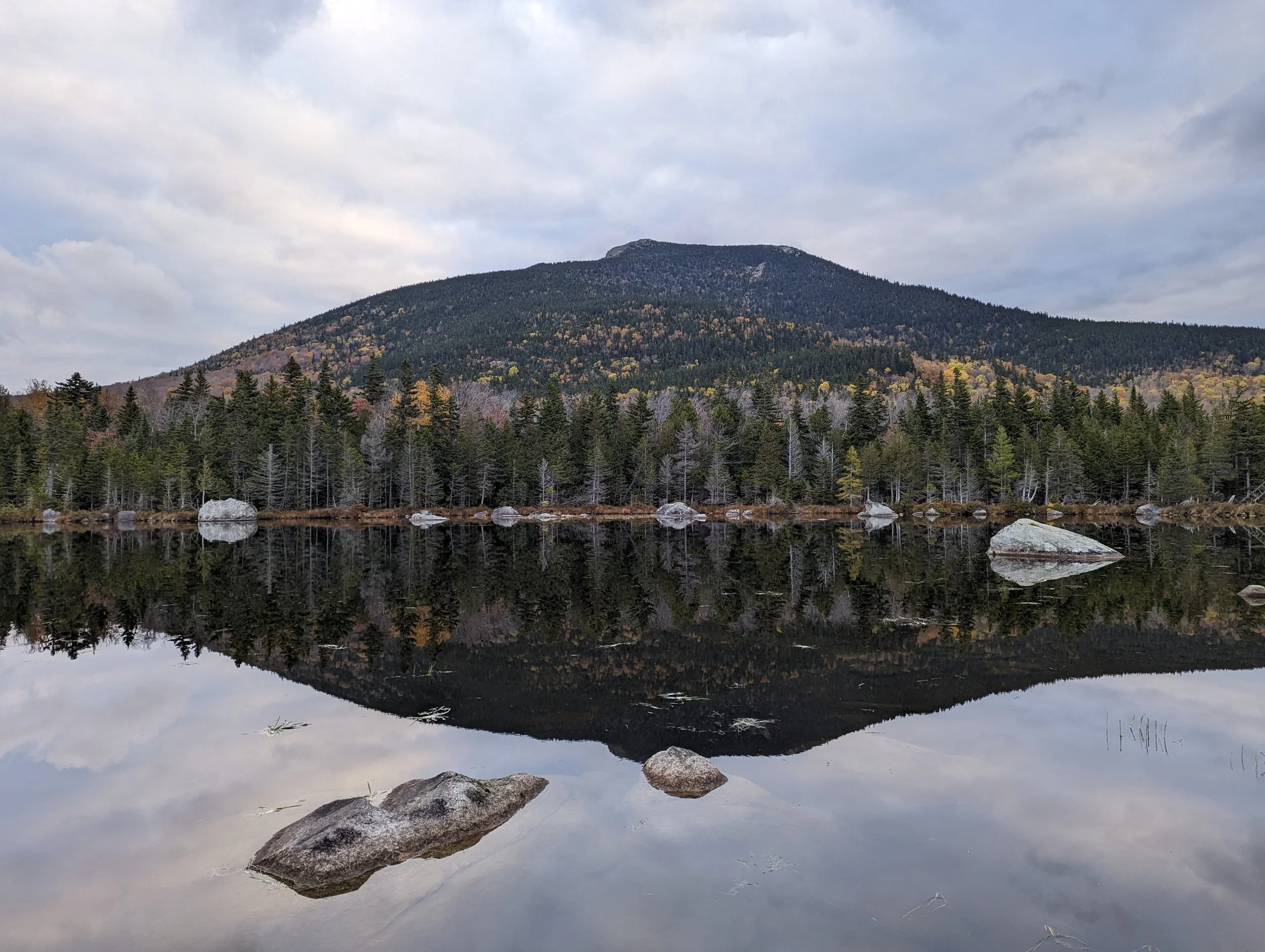
BIPOC Naturalists honors the land now known as Maine, territory of the Wabanaki, the People of the Dawnland. We gather on the unceded homelands of the Wabanaki Confederacy, which includes the tribes of the Abenaki, Penobscot, Passamaquoddy, Maliseet, and Mi’kmaq peoples, who have provided over 10,000 years of stewardship to this land and its waters.
We recognize that acknowledging this truth is only one step in an ongoing process of learning, reflection, and right relationship. Furthermore, we commit to honoring the enduring presence, knowledge, and sovereignty of Wabanaki peoples by continuing to learn from the land, to care for it responsibly, and to uplift Indigenous voices in the outdoor spaces we share.
As we gather in nature, to learn, to connect, to heal, we do so with gratitude for the original stewards of these lands and waters, and with awareness of our shared responsibility to protect and sustain them for future generations.